A Flavorful Milestone: Caribbean Food Centennial Reflections
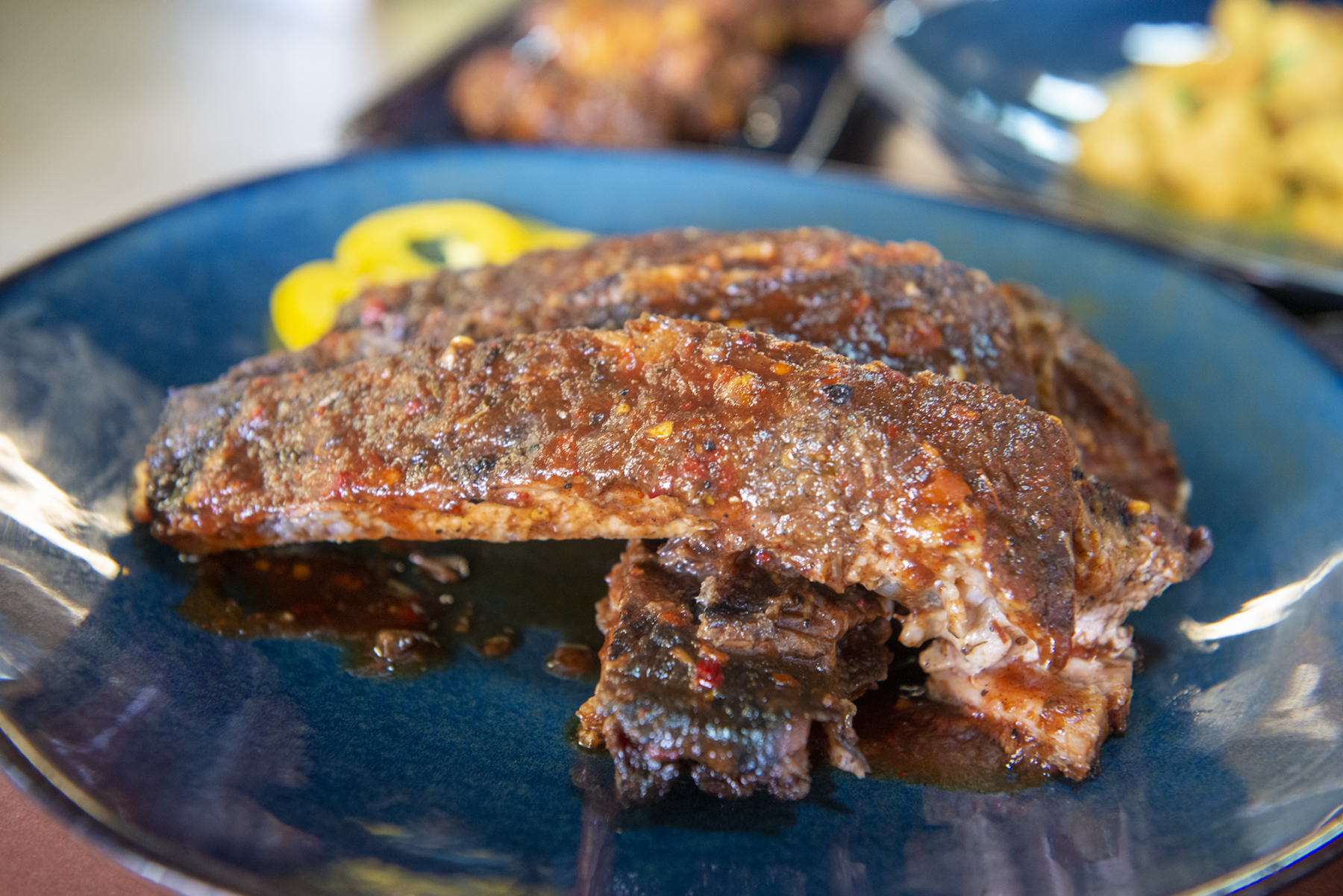
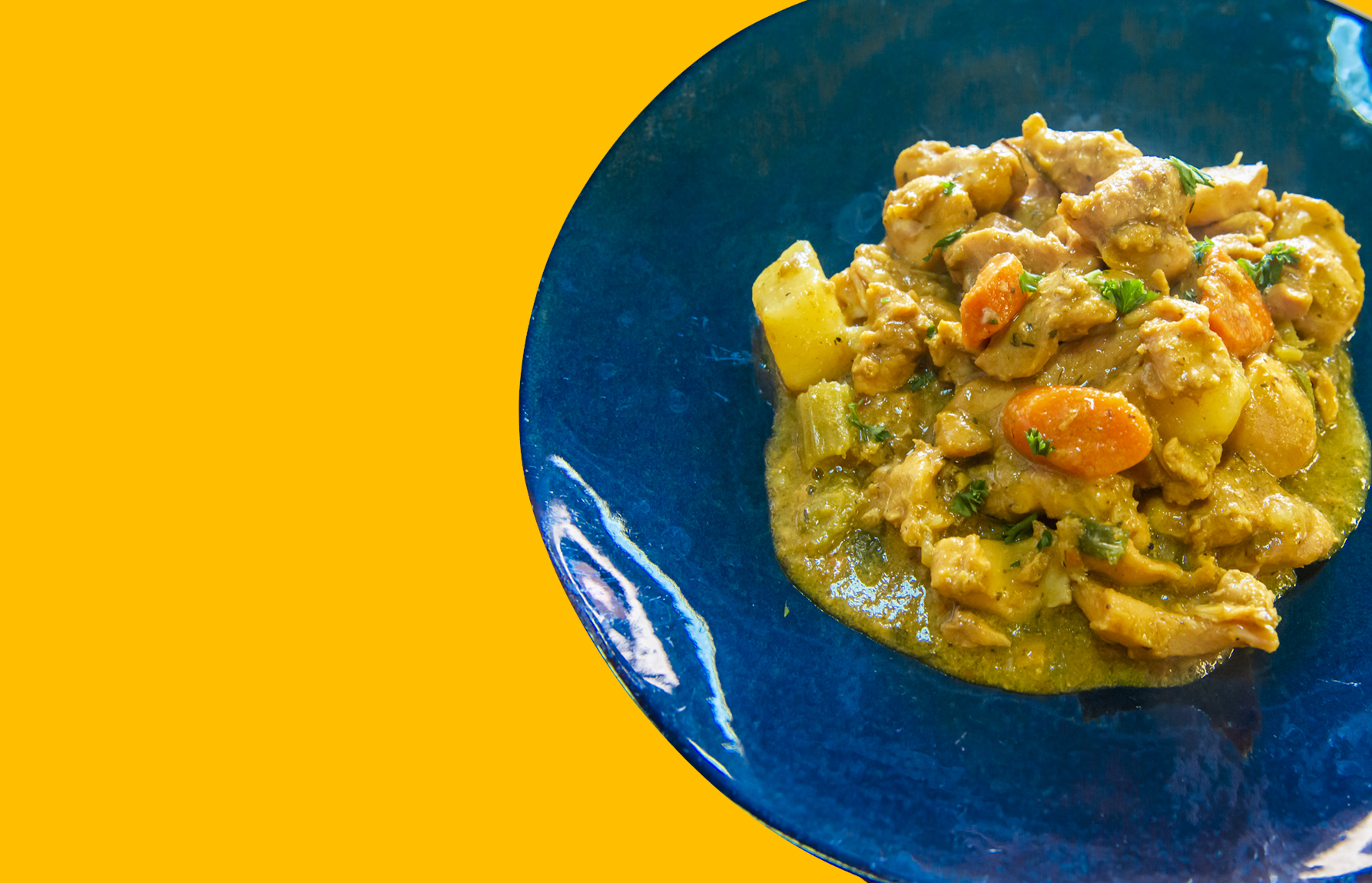
A centennial invites more than celebration. It asks for memory, judgment, and a clear look at what has endured. When I think about a caribbean food centennial, I do not picture a single gala dinner or a polished museum exhibit with tidy labels. I picture a hundred years of smoke from coal pots and grills, market tables slick with sea spray, Sunday kitchens carrying the scent of thyme and scallion into the street, and recipes that traveled by memory long before they were written down. I picture food that never sat still, because the Caribbean itself has never sat still.
That movement matters. Caribbean food has always been shaped by crossings: Indigenous knowledge, African survival and invention, Indian indentureship, Chinese migration, European colonial rule, Middle Eastern trading networks, and the constant traffic of goods, people, and ideas among islands and coasts. To mark a hundred years of culinary reflection is not to claim that Caribbean food began one century ago. It is to acknowledge a period in which the region’s cooking came under new pressures and found new forms, from industrial agriculture and migration to tourism, hotel dining, supermarkets, food media, and diaspora restaurants in cities thousands of miles from the sea.
Food historians often talk about continuity and change as if they sit on opposite sides of a table. In the Caribbean, they usually share the same plate. A cook may prepare a stew in a stainless steel pot instead of a cast iron pot over wood, but the seasoning base remains rooted in generations of practice. A baker may use commercial yeast and imported flour, yet the logic of the bread, who eats it, when it is sold, and what it means at breakfast can remain deeply local. The century in view is not a story of old food giving way to modern food. It is a story of adaptation, argument, preservation, and appetite.
The region in a pot
People often speak of Caribbean cuisine as though it were singular. It is not. Even the phrase "Caribbean food" can flatten the reality on the ground. A pepperpot in Guyana is not the same thing as pepper pot soup in Jamaica, and neither maps neatly onto the stew traditions of Trinidad, Dominica, or Haiti. Ducana, accra, callaloo, bake and shark, souse, fungi, patties, doubles, pelau, run down, cou-cou, roti, saltfish, cassava pone, black cake, and conch fritters come from related but distinct culinary worlds.
Still, there are common threads. Seasoning is one. So is thrift elevated into craft. So is the use of acid to brighten rich dishes, heat to wake them up, starch to anchor them, and aromatics to build depth before any protein reaches the pot. Caribbean cooking rewards patience. A proper brown stew or curry is not just ingredients assembled. It is timing. It is when onions hit hot fat, when sugar darkens but does not burn, when coconut milk is added so it does not split, when green seasoning has to sit in meat long enough to do more than perfume the surface.
In many households, these judgments were never written down. They were learned by watching hands. A grandmother touched a dumpling and knew the dough was right. An uncle tending a pan by the roadside knew from the smell alone when the oil needed changing. A market vendor could tell whether a mango was ready not by color alone, but by weight and subtle softness around the shoulders. Those instincts are part of the centennial story too. Recipes matter, but so do sensory habits. Once lost, they are hard to recover.
A century of pressure and invention
The past hundred years brought enormous changes to how Caribbean people grew, bought, and cooked food. Colonially organized plantation economies had already narrowed agricultural priorities in many territories, favoring export crops over local food security. Through the twentieth century, imported staples became even more prominent. Tinned milk, salt cod, canned corned beef, flour, rice, and later frozen poultry all entered daily life in ways that reshaped menus. Some of these ingredients were embraced out of convenience caribbean food centennial or affordability. Others became beloved through necessity first, then habit, then creativity.
That process deserves respect rather than easy judgment. It is fashionable in some circles to romanticize a return to purely local eating, but that overlooks economic reality. For many families, imported ingredients were not a betrayal of tradition. They were how dinner happened. Saltfish became iconic not because it was elegant, but because it was durable and available. Flour based bakes and rotis spread not because root crops disappeared, but because wheat entered the regional pantry through trade and empire and stayed there through taste and practicality. Canned products, for better and worse, let working households stretch budgets and save time.
At the same time, the region never stopped producing food with extraordinary specificity. Fishermen still brought in flying fish, kingfish, snapper, and sprats. Farmers still worked yam hills, plantain patches, and market gardens. Breadfruit continued its strange arc from colonial transplant to cherished staple. In some places, cacao survived periods of neglect and returned with new prestige. Coffee, spices, sorrel, tamarind, coconuts, cassava, pigeon peas, ochro, breadnut, and christophene all remained deeply tied to local memory even as imported foods crowded shelves.
The culinary results were layered. A Sunday table in the mid twentieth century might hold an old world pudding, an African derived stew technique, a New World tuber, and a British style dessert made with local rum and dried fruit. That is not confusion. It is Caribbean fluency.
What survived because people refused to let it go
Some foods endure because they are commercially successful. Others survive because someone insists on making them, even when the labor makes no economic sense. Much of the Caribbean’s best cooking falls into the second category.
Think of cassava processing. Turning a poisonous root into safe, versatile food requires knowledge, care, and time. In places where cassava bread, farine, and related preparations are still made with seriousness, what persists is more than a product. It is a chain of technique. The same is true for dishes that depend on long marinating, grating by hand, slow reductions, curing, wrapping in leaves, or carefully balancing spices by feel rather than recipe.
Festival foods often carry this burden of preservation. Christmas black cake, for example, is not just cake. It is planning. Fruit must be soaked, often for weeks or months. The mixing has ritual weight. The texture has to be dense without becoming heavy, boozy without becoming bitter, dark without scorching. Every family has its argument about what belongs in it and what does not. The same goes for Easter buns, special soups, holiday hams, and celebration rice dishes across the region. Once a food gets tied to ceremony, it gains a better chance of survival.
Street food has done preservation work as well, though it rarely gets framed that way. The roadside vendor selling soup on a Saturday morning, the woman pressing pholourie under a tent, the cutter who knows exactly how much pepper sauce a customer can handle, they all keep flavor memory alive in public. Formal institutions often move too slowly to protect culinary heritage. Streets move faster.
The diaspora changed the menu, and the meaning
No honest centennial reflection can ignore migration. Caribbean food did not remain in the Caribbean. It moved to London, Toronto, New York, Miami, Panama, Amsterdam, and countless smaller communities. In doing so, it changed.
Some changes were forced by ingredient access. A cook in Brooklyn might substitute one pepper for another, use frozen callaloo, or buy goat from a halal butcher because that was what the neighborhood offered. Some changes came from customer demand. Restaurants serving mixed Caribbean crowds often broadened menus beyond island specific specialties. A Trinidadian spot might add jerk chicken. A Jamaican bakery might stock curries that speak to Guyanese and Vincentian customers too. Fusion happened, but so did practical coalition.
Diaspora kitchens also sharpened nostalgia. Foods that had once been ordinary became symbols. A patty eaten on the way to work in Kingston means one thing. A patty bought on a snowy afternoon in Toronto can feel like proof that home still exists somewhere. This emotional intensity helped preserve certain dishes, but it also elevated a few items above the wider culinary landscape. Outside the region, many people came to identify Caribbean cooking with a narrow set of foods: jerk, patties, roti, rum cake, plantains. Those foods deserve their fame, but they are not the whole language.
I have seen this tension in restaurant menus more than once. Owners want to showcase a wider heritage, yet they also have rent to pay. A deeply traditional dish with limited recognition may sell ten portions a week. Jerk chicken may sell a hundred in two days. That is not cultural failure. It is the arithmetic of survival. Still, it has consequences. Some recipes become poster children, while others recede into home kitchens and eventually into memory.
Tourism’s mixed legacy on the plate
Tourism has fed and distorted Caribbean cuisine in equal measure. Hotels and resorts created demand for local ingredients, trained generations of cooks, and gave some regional dishes a broader platform. At their best, they helped codify and elevate local culinary traditions without draining them of character.
At their worst, they performed a softened version of Caribbean food for visitors. Heat turned down. Seasoning diluted. Menus simplified into predictable shorthand: grilled fish, tropical salsa, jerk something, rum punch. What visitors were offered as authenticity was often a curated comfort version of the real thing, designed not to offend palates trained elsewhere.
The problem is not adaptation itself. Good cooks adapt all the time. The problem is when the external gaze starts dictating value. Once a dish becomes marketable to tourists, it may attract investment and attention that more rooted, less photogenic dishes never receive. Fine dining versions of humble foods can be genuinely excellent, but they can also disconnect a cuisine from the contexts that gave it depth. A breadfruit puree in a resort tasting menu may be lovely. It still does not replace a roasted breadfruit split open at home and eaten hot with saltfish, butter, or roasted herring while everyone reaches in before it cools.
The strongest chefs in the region understand that hospitality and integrity do not caribbean food centennial have to be enemies. They know when to edit and when not to. They know that presenting a dish beautifully is not the same as sanding down its identity.
Jerk, curry, and the danger of single stories
Every cuisine that gains global attention gets reduced. For the Caribbean, jerk is one of the clearest examples. Proper jerk carries history in every stage: spice blending, pimento wood smoke, marination, cooking method, the relationship between heat and aromatic depth. Yet around the world, jerk is often treated as a flavor adjective, a seasoning dust, a bottle label.
The same thing happens with curry. Caribbean curries are distinct, whether in Trinidadian, Jamaican, Guyanese, or other expressions, but global food culture often compresses them into a generic idea. That flattening erases local technique. It overlooks the difference between toasted curry powders and raw additions, between curries built with green seasoning and those built differently, between duck curry and goat curry and channa and aloo, each with its own cooking demands.
A meaningful caribbean food centennial should resist those single stories. Not by rejecting famous dishes, but by deepening the conversation around them. Jerk deserves context. So does roti. So does oxtail, which many people now treat as a luxury item despite its history as a cut associated with frugality and patience. Once global demand rises, old working foods can become expensive. That changes who gets to cook them regularly. Heritage can price itself out of the communities that created it.
Markets, memory, and the education of taste
One of the most reliable places to understand Caribbean food is not a restaurant but a market. Markets reveal what is in season, what is scarce, what people are still willing to prepare from scratch, and what gets bought despite cost because some tastes remain non negotiable.
Watch what elders inspect closely. Green bananas for boiling. Pumpkin with the right density. Dasheen leaves tender enough for callaloo. Fish eyes clear, gills red. Mango varieties chosen not for prettiness, but for fiber, sweetness, acidity, and intended use. That level of discernment is a culinary education. It teaches that taste begins before the stove.
It also teaches compromise. Not every home cook can afford the best fish, the freshest shellfish, or premium cuts. Many iconic Caribbean dishes emerged from making less glamorous ingredients delicious. Soup bones, chicken backs, salt meat, pig tail, tripe, offal, and small fish all hold places in the region’s foodways because cooks understood extraction, seasoning, and texture better than many modern kitchens do. There is intelligence in that economy.
This is one reason contemporary conversations about "elevating" Caribbean cuisine can feel slightly off when they ignore the market logic beneath the food. The cuisine was always intelligent. It does not need rescue. It needs accurate recognition, fair pricing for producers, and space for younger cooks to inherit more than the most commercialized fragments.
The new generation at the stove
The most encouraging part of this centennial reflection is the number of younger chefs, bakers, writers, farmers, and home cooks who are asking sharper questions. They are not content to merely recreate inherited dishes. They want to know where techniques came from, why certain ingredients became central, what was lost under colonial diets, what climate change is doing to fisheries and crops, and how to build viable businesses without diluting identity.
Some are reviving neglected ingredients. Others are documenting family recipes with unusual care, measuring what previous generations cooked by instinct so the knowledge does not vanish. Some are reworking classic dishes in ways that are thoughtful rather than gimmicky. Fermentation, foraging, single origin chocolate, native starches, cane syrups, heritage rice varieties, artisanal pepper sauces, and serious regional pastry work are all gaining more attention than they did a generation ago.
That said, revival work is harder than it looks from the outside. Traditional ingredients can be inconsistent. Weather can wipe out supply. Skilled labor is expensive. Customers may praise heritage in theory but still order only the familiar bestseller. There is also the risk of treating the past as sacred and untouchable. No living cuisine can survive in a glass case. Caribbean food has always borrowed, adjusted, and improvised. The question is not whether change should happen. It is whether change remains accountable to flavor, memory, and community.
What deserves protection over the next hundred years
If this milestone means anything, it should sharpen attention on what is fragile. Recipes can be written down, but technique transmission is less secure. So are the local ecologies that make regional food distinctive. Rising temperatures, stronger storms, coastal erosion, and changes in fish populations are not abstract threats in the Caribbean. They affect menus directly. So do import dependence, land pressure, and the declining attractiveness of agricultural labor to younger people who understandably want steadier incomes.
Preservation cannot mean only museum style archiving. It has to include making traditional food economically possible. That means supporting fisherfolk and farmers, protecting access to local ingredients, teaching schoolchildren not just names of dishes but how they are made, and respecting roadside vendors and home cooks as keepers of knowledge rather than informal background figures.
It also means being honest about health without lapsing into food shaming. Caribbean food, like many cuisines shaped by scarcity and celebration, includes rich dishes, fried snacks, sugary drinks, and heavy holiday traditions. Public health conversations matter. Yet the answer is not to strip the cuisine of pleasure or identity. Better oils, better portioning, more regular access to fresh produce, less dependence on ultra processed imports, and smarter cooking methods can all coexist with cultural continuity. The region has never lacked culinary intelligence. It needs structural support more than lectures.
A centennial worth tasting slowly
A hundred years of Caribbean food reflection reveals a cuisine, or rather a family of cuisines, that has been asked to do almost everything. Feed workers cheaply. Mark sacred days properly. Impress tourists. Comfort migrants. Stretch uncertain income. Represent nations abroad. Survive hurricanes. Absorb imports. Preserve memory. Still taste like itself.
That is a remarkable burden for any cooking tradition to carry, and the Caribbean has carried it with force and elegance. Not always neatly. Not always equally. Some islands and communities have had more resources to preserve and promote their food than others. Some dishes have traveled better than others. Some ingredients have become luxury goods. Some techniques are slipping away faster than people realize. Yet the core achievement remains visible every time a cook layers green seasoning into meat, coaxes body from coconut, sharpens a stew with lime, or turns humble provisions into a meal that feels abundant.
The best way to honor a caribbean food centennial is not with nostalgia alone. It is with attention. Attention to names, to methods, to growers, to regional distinctions, to the labor behind the plate, and to the people who still cook in ways that do not always photograph well but taste unmistakably of place. Centennial milestones tempt us toward grand statements. Caribbean food resists that kind of simplification. It asks instead for a second helping, a closer look, and enough humility to admit that a cuisine this layered cannot be summarized by its most famous exports.
If the next hundred years are kind, they will be kind because the region keeps doing what it has long done best: adapting without surrendering flavor, welcoming influence without forgetting origin, and insisting that food is never just fuel. In the Caribbean, food has always been evidence. Evidence of survival. Evidence of exchange. Evidence that memory can be cooked, eaten, argued over, and passed on while still warm.
Reggae Pot Jamaican Grill
Address: 7562 S University Blvd Unit C, Centennial, CO 80122
Phone: (303) 997-5623
FAQ About caribbean food centennial
What Jamaican dishes can I try in Centennial?
Reggae Pot Jamaican Grill serves Jamaican specialties such as jerk chicken, stewed oxtail, curry goat, and ackee and saltfish. Check the current menu for availability.
What is ackee and saltfish?
It is Jamaica’s national dish. The restaurant prepares ackee with salted cod, onions, thyme, tomatoes, garlic, black pepper, and pimento.
Can I order Jamaican food for pickup in Centennial?
Yes. Choose the Centennial location at 7562 S University Blvd Unit C when placing a takeout order.