Caribbean Food Centennial: The Century That Shaped Caribbean Cuisine
There is no single Caribbean table. That is the first fact worth respecting, and it is also what makes the story of the last hundred years so compelling. Across the region, food has been shaped by sea routes, sugar estates, migration, empire, shortage, invention, celebration, and survival. A century of change did not flatten Caribbean cuisine into one style. It sharpened local differences while creating a shared culinary language of spice pastes, starches, frying oils, stews, peppers, pickles, smoke, and sweetness.
The phrase caribbean food centennial suggests a neat anniversary, as if the region moved in tidy decades from one era to the next. Real kitchens do not work that way. Recipes shift by handfuls and memory. One family adds browning to stew chicken, another leans harder on fresh thyme and scallion. One island prizes cassava in a way another never quite does. Yet when you stand back and look at the twentieth century into the early twenty-first, you can trace a clear arc. The Caribbean moved from plantation economies and colonial dependency toward national self-definition, mass tourism, large-scale migration, imported convenience foods, and a renewed pride in indigenous and ancestral ingredients. Every one of those forces changed what people cooked and how it tasted.
A region built at the stove
Caribbean cuisine did not begin a century ago. It was already centuries deep, rooted in Indigenous foodways and transformed by African, European, Indian, Chinese, Syrian-Lebanese, and later North American influences. But the past hundred years mattered because they accelerated exchange. Steamships, refrigeration, tinned goods, remittance economies, urban markets, and diaspora communities altered daily eating in ways earlier generations could scarcely imagine.
At the start of the twentieth century, many Caribbean people still lived close to agricultural rhythms. Ground provisions were not a nostalgic category. They were dinner. Yam, cassava, eddoes, green banana, breadfruit, sweet potato, dasheen, and plantain formed the backbone of meals across many islands. Saltfish and salted meat endured not because they were quaint but because they were practical. Fresh fish could be scarce inland. Refrigeration was limited. Imported salted cod, tied to Atlantic trade networks, became so embedded that dishes now considered deeply local often have foreign commercial origins.
That paradox is central to Caribbean food. It is local because it was made local by use, adaptation, and memory. Ackee and saltfish in Jamaica, buljol in Trinidad and Tobago, saltfish souse in several islands, and countless fritters, bakes, and breakfast dishes show how imported staples became native through repetition and ingenuity.
The same can be said of rice. In some territories, rice became so common in the twentieth century that many younger cooks assume it has always been the unquestioned center of the plate. It has not. Rice rose with trade, affordability, and urban life. It fit changing schedules. It stored well. It paired easily with peas, coconut milk, curried meats, stews, and gravies. In places where ground provisions once ruled every day, rice increasingly became the convenient starch of workweeks and city households.
The plantation afterlife on the plate
To understand the century that shaped Caribbean cuisine, you have to look beyond recipes and into labor. Plantations left more than land patterns. They left habits of rationing, seasoning, thrift, and adaptation. They also established export economies that pushed the best agricultural land toward cash crops such as sugar, bananas, cocoa, and citrus, often at the expense of diversified local food production.
That imbalance influenced what ordinary people could access. Cuts of meat considered less valuable elsewhere became treasured and skillfully prepared in Caribbean kitchens. Offal, salt meat, pig tail, cow foot, chicken back, and fish heads entered soups and one-pot dishes with extraordinary results. Long simmering, green seasoning, hot pepper, fresh herbs, allspice, curry blends, and browning sauces did more than add flavor. They built abundance from scarcity.
There is nothing accidental about the richness of a good Saturday soup or the depth of a pot of pelau, cook-up rice, mannish water, pepperpot, or stew peas. These dishes come from cooks who understood how to extract every ounce of flavor from bone, starch, smoke, and time. That sensibility survived modernity. Even where middle-class aspiration pushed people toward imported products and restaurant dining, the old logic remained. Waste little. Season generously. Feed many.
Migration remade the menu
If there is one force that defines the caribbean food centennial, it is movement. Caribbean people moved within caribbean food centennial the region and far beyond it, especially between the 1940s and the 1980s. Labor migration to Panama and Cuba came earlier. Later came the Windrush generation to Britain, large-scale migration to New York, Toronto, Miami, and other North American cities, and constant circulation among islands. With migrants went seeds, cravings, habits, and substitutions.
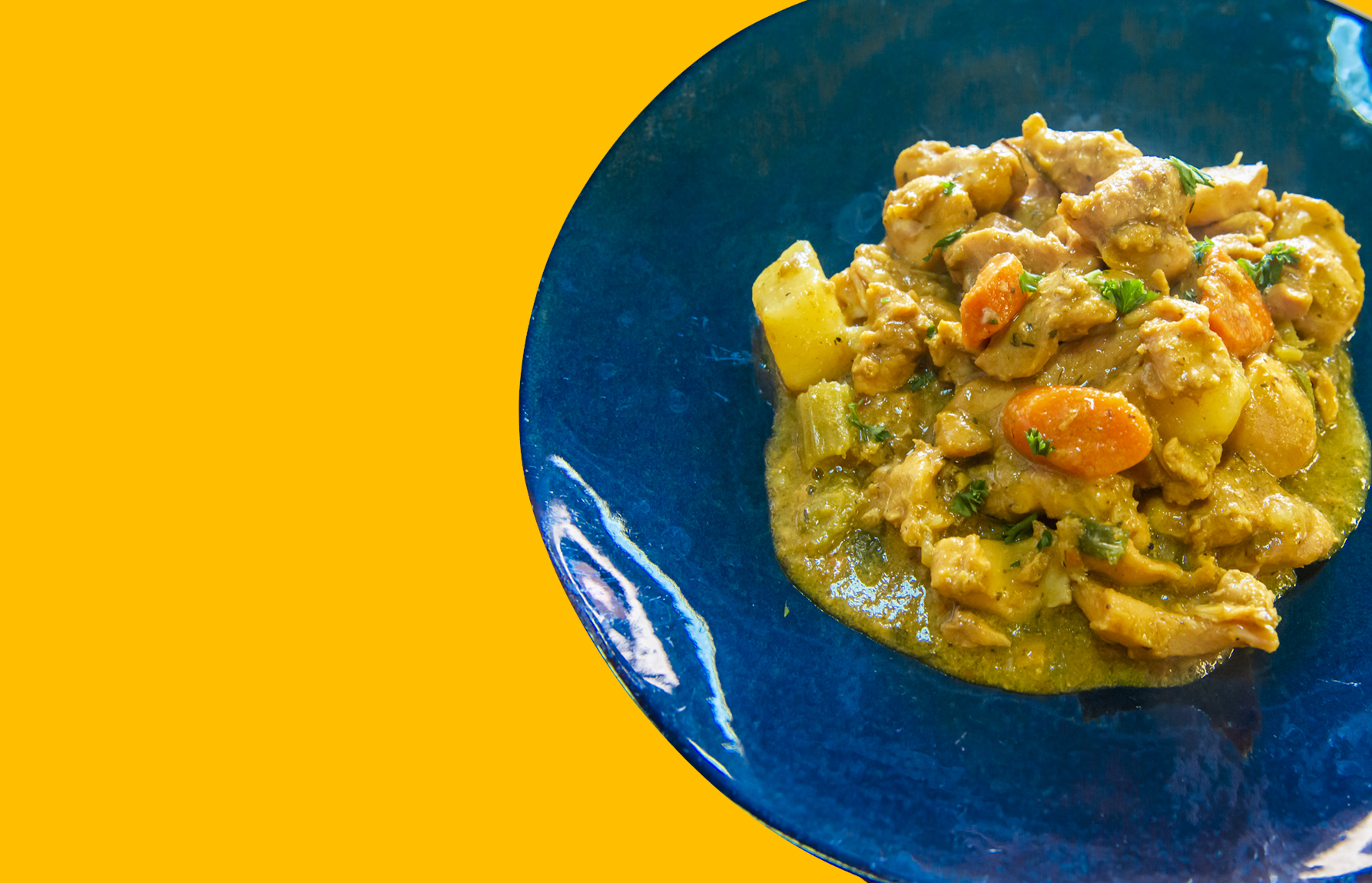
This is where Caribbean cuisine becomes especially interesting. Dishes did not merely travel. They adapted under pressure. A cook in London could not always find the same varieties of yam or the same thyme as a cook in Kingston. A family in Brooklyn could find new cuts of meat, broader access to refrigeration, and supermarket aisles filled with canned goods. A Trinidadian curry made in Toronto might be hotter, milder, richer, or more standardized than one made in San Fernando, depending on access and audience.
These changes fed back into the islands. Diaspora remittances altered household budgets and aspirations. Returning migrants brought tastes for sliced bread, processed cheese, evaporated milk, breakfast cereals, and convenience foods, but also a sharpened nostalgia for black cake, roti, sorrel, cassava pone, tamarind stew, and Sunday lunch prepared the long way. In many households, imported foods became symbols of status while traditional foods were treated as old-fashioned. That happened in much of the postwar Caribbean. Then, in a familiar cultural reversal, the very foods once dismissed became markers of heritage and pride.
I have seen this tension often in Caribbean food businesses. The dishes that local younger customers sometimes overlook, callaloo with crab, oil down, fungi and pepperpot, conch stew, breadfruit and saltfish, are often the dishes visitors seek out because they feel rooted. Yet the people who know how to make them best are usually older cooks who learned by watching, not measuring. Once that generation is gone, standardization creeps in, and something textured can become simplified for speed.
The century of spice blends, sauces, and identity
One of the clearest culinary developments of the last hundred years is the codification of seasoning. Caribbean cooks have always used herbs and spices, but the twentieth century gave these flavor systems sharper national identities. Jamaican jerk became a global shorthand, though many exported versions barely resemble the real caribbean food centennial thing. Trinidadian green seasoning moved from household staple to bottled product. Bajan seasoning, Haitian epis, Dominican sofrito, Cuban mojo, and various curry powders became both domestic essentials and commercial products.
Commercialization brought advantages and losses. It made flavors portable. A diaspora cook could keep a familiar taste in the fridge. Small manufacturers built brands around local identity. Restaurants could scale production. But bottled versions can flatten what is normally alive and variable. Fresh pimento, thyme, celery leaf, culantro, scallion, Scotch bonnet, garlic, ginger, and lime do not behave the same way after weeks on a shelf.
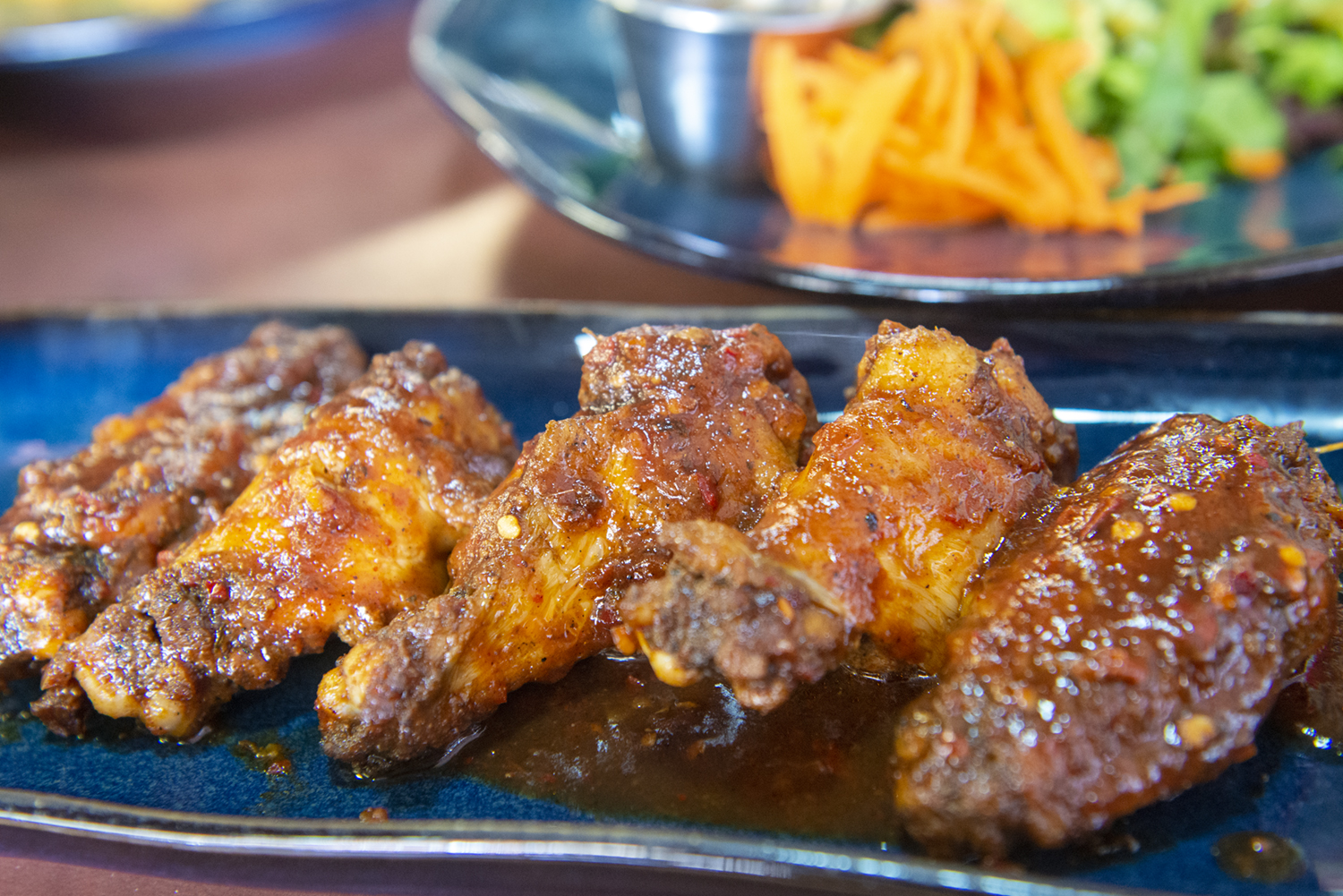
Jerk is a telling example. Proper jerk, whether pork or chicken, is not simply spicy grilled meat. It is a method tied to marination, pimento wood smoke, allspice, thyme, scallion, bonnet pepper, and often a patient, low, smoky cook. In the last century, especially with tourism and export, jerk became a brand. That helped Jamaica project a culinary identity to the world. It also encouraged shortcuts, sweet glazes, oven approximations, and restaurant versions tailored to international palates.
That trade-off appears across the region. A cuisine gains visibility by becoming legible to outsiders. Yet the more legible it becomes, the easier it is to distort.
Tourism fed the region and edited it
No modern account of Caribbean cuisine can ignore tourism. From the mid-twentieth century onward, hotels, resorts, cruise ships, and destination marketing profoundly influenced what was grown, cooked, and celebrated. Tourism created jobs and offered chefs a platform. It also rewarded simplification. Dishes had to be recognizable, repeatable, and acceptable to guests who might fear heat, bones, unfamiliar textures, or offal.
This is why many hotel menus long favored grilled lobster, rum punch, fried plantain, coconut shrimp, and polished versions of curried chicken over more complex everyday foods. There is nothing wrong with those dishes, and some are excellent. The issue is representational. For decades, the public face of Caribbean food often became a narrow postcard cuisine: tropical fruit, beachside grilling, and sweet sauces, with little sense of the deep labor history behind the region’s stews, soups, starches, and preserved foods.
Still, tourism was not only reductive. It also gave rise to a generation of chefs who began asking harder questions. What makes a national cuisine distinct? Which ingredients belong to the land rather than the brochure? How do you present traditional dishes with dignity, without draining their character? By the late twentieth century and into the present, more chefs across the region were reclaiming cassava, breadfruit, local cocoa, sea moss, tamarind, bush teas, lionfish, and lesser-used fish species. Fine dining started to look inward rather than outward.
Markets, tinned goods, and the convenience century
Ask older Caribbean cooks about the past century and many will tell you the biggest changes happened not in grand national narratives but in the pantry. The spread of imported flour, corned beef, evaporated milk, margarine, canned peas, canned coconut milk, powdered drinks, and instant seasonings changed home cooking dramatically.
Some of this made life easier. It is hard to overstate the value of convenience for families juggling long commutes, multiple jobs, school schedules, and limited equipment. Homemade coconut milk is wonderful, but grating dry coconut and squeezing it by hand is laborious. Fresh pigeon peas are excellent, but dried or canned versions save time. Salted meat needs soaking and planning. Tinned proteins do not.
Yet convenience altered flavor and health. Canned meats and processed foods raised sodium intake. White flour products displaced some traditional starches. Sweetened beverages spread quickly. Frying became more common where cheap oil was available. Imported food often undercut local produce on price or prestige. By the late twentieth century, many Caribbean societies were confronting the nutritional fallout, including rising rates of diabetes and hypertension.
This is one of the great contradictions of modern Caribbean cuisine. It remains one of the most vibrant food cultures in the world, yet the everyday diet in many places has been pressured by the global processed food system. The same islands that gave the world brilliant fish broths, bean stews, fruit-rich desserts, and vegetable-driven side dishes have had to wrestle with the flood of cheap calories packaged as convenience.
The dishes that held their ground
Not every food trend survives a century. Some dishes fade into holidays, some into memory. Others prove almost impossible to dislodge. Across the region, certain categories held their place because they satisfy both appetite and culture.
Stews endured because they are economical and adaptable. Rice dishes endured because they feed households efficiently. Fried doughs and griddled breads endured because they anchor breakfast and street food culture. Soups endured because they make community visible, especially on weekends and festive days. Pepper sauces endured because Caribbean people, with ample exceptions, generally prefer food that speaks up.
A few dishes rose from local comfort food to emblem. Roti in Trinidad and Guyana became not just an Indo-Caribbean staple but a regional obsession, especially in urban takeout culture. Doubles, a relatively modern street food in Trinidad and Tobago, grew from a working-class breakfast into an icon with serious culinary complexity. Jamaican patties became a diaspora staple, sold in school cafeterias, bakeries, and convenience stores far from the island. Cuban sandwiches, Puerto Rican mofongo, Haitian griot, and Dominican mangu gained wider international recognition in parallel ways, each carrying a piece of home abroad.
When a dish travels successfully, it usually has three qualities. It can be reproduced without impossible ingredients, it fits modern eating patterns, and it still tastes distinct outside its birthplace. Patties, roti, and doubles all meet that test.
What the centennial century changed in the kitchen itself
It is easy to romanticize the old kitchen, but anyone who has cooked in both older and newer Caribbean setups knows the practical changes matter. Kerosene stoves, coal pots, fireside cooking, outdoor ovens, and hand-grated coconut required time, strength, and often multiple people. Gas and electric ranges changed workflow. Refrigerators changed shopping frequency. Blenders changed seasoning prep. Pressure cookers shortened the cooking time of peas, tough meats, and soups. Chest freezers let families buy in bulk and preserve seasonal items.
Those changes affected flavor. A coal pot leaves a note that a gas flame does not. Slow outdoor smoke cannot be faked entirely indoors. Hand-chopped herbs bruise differently from machine-pureed blends. At the same time, modern equipment freed cooks from hours of repetitive labor and made certain dishes feasible on weekdays rather than only on weekends.
In my experience, the best Caribbean cooks today are rarely purists in the simplistic sense. They know what must not be compromised and what can sensibly change. You may use a pressure cooker for pigeon peas and still take the time to burn sugar properly for stew. You may blend green seasoning but still marinate overnight. You may buy frozen grated cassava yet insist on fresh nutmeg in the pone. Judgment matters more than nostalgia.
Revival, scholarship, and the return to roots
Over roughly the last twenty years, Caribbean cuisine has entered a different phase. Historians, chefs, cookbook writers, farmers, and cultural workers have started documenting what older generations simply lived. This matters because much of Caribbean culinary knowledge has been oral. Measures were intuitive. Timing was visual. The phrase "season until it smell right" contains genuine technique, but it is difficult to archive.
The recent revival has gone beyond celebration. Serious work is being done to reconnect dishes to Indigenous ingredients, African continuities, indentureship histories, and the economics of colonial agriculture. Breadfruit, once introduced as plantation fuel for enslaved laborers, is now being reevaluated as a climate-resilient staple with culinary range. Cassava, long foundational in some parts of the region, is receiving fresh attention from bakers and chefs. Local cocoa is appreciated not just as export commodity but as a flavor expression of place. Bush medicine and traditional teas are being studied with more care and less condescension.
There is also a stronger push to protect what can still be protected. If younger cooks do not learn how to make cassareep-based pepperpot properly, or how to handle callaloo varieties, or how to clean and season certain fish, that knowledge can vanish within a generation. Food heritage is fragile precisely because it feels ordinary until it disappears.
The revival is not perfect. Heritage can easily become branding. Restaurants may borrow the language of roots while serving decorative versions with little substance. Still, the broader movement is healthy. It signals a region taking its own taste seriously.
Five forces that most shaped the century
The broad picture becomes clearer when you separate the major drivers. Across different islands and territories, these forces showed up in different proportions, but together they explain much of the culinary transformation.
- Migration, both within the Caribbean and into major diaspora cities, carried recipes outward and brought modified tastes back home.
- Tourism created demand, visibility, and income, while often favoring simplified or sanitized versions of traditional food.
- Imported processed foods and convenience products changed daily eating, saving labor but often weakening nutritional quality.
- National independence movements and cultural pride pushed local cuisines from household habit into public identity.
- Modern equipment and retail systems transformed how often people shopped, stored ingredients, and managed cooking time.
That list is useful only if it stays connected to actual meals. The point is not that history floats above the kitchen. The point is that history ends up in the pot.
The future will likely look older, not newer
The next phase of Caribbean cuisine may be less about invention than recovery. Climate pressure, food import dependency, and public health concerns are already forcing hard questions. Which crops grow reliably in changing conditions? Which local starches deserve more use? How can school meals, restaurants, and home cooks rely less on expensive imports and more on regional agriculture? These are not abstract policy discussions. They are menu decisions.
There are promising signs. Breadfruit flour is being explored more seriously. Cassava and sweet potato are reentering conversations about baking and gluten alternatives. Younger chefs are using lionfish, underused cuts, and local greens creatively. Farmers’ markets and small agro-processors are connecting urban consumers to ingredients that had become invisible in supermarkets dominated by imports.
At the same time, the region must resist turning heritage into performance only for visitors. Caribbean cuisine remains strongest when it is cooked for Caribbean people first, in all the messiness that implies. That means accepting that a national dish may be rustic, bony, peppery, slow, and not especially photogenic. It may also be unforgettable.
The century that shaped Caribbean cuisine did not produce a finished culinary identity. It produced a living one, confident enough to carry contradiction. A plate can hold Indigenous roots, African technique, Indian spice logic, European trade history, Chinese adaptability, and local improvisation without feeling confused. In fact, that layered complexity is the point.
When people talk about the caribbean food centennial, they are really talking about a hundred years in which the region kept teaching the same lesson in new forms. Good food is not born from purity. It is born from pressure, memory, movement, and taste sharpened by necessity. Caribbean cooks have understood that for generations. The world is only now catching up.
Reggae Pot Jamaican Grill
Address: 7562 S University Blvd Unit C, Centennial, CO 80122
Phone: (303) 997-5623
FAQ About caribbean food centennial
What Jamaican dishes can I try in Centennial?
Reggae Pot Jamaican Grill serves Jamaican specialties such as jerk chicken, stewed oxtail, curry goat, and ackee and saltfish. Check the current menu for availability.
What is ackee and saltfish?
It is Jamaica’s national dish. The restaurant prepares ackee with salted cod, onions, thyme, tomatoes, garlic, black pepper, and pimento.
Can I order Jamaican food for pickup in Centennial?
Yes. Choose the Centennial location at 7562 S University Blvd Unit C when placing a takeout order.